
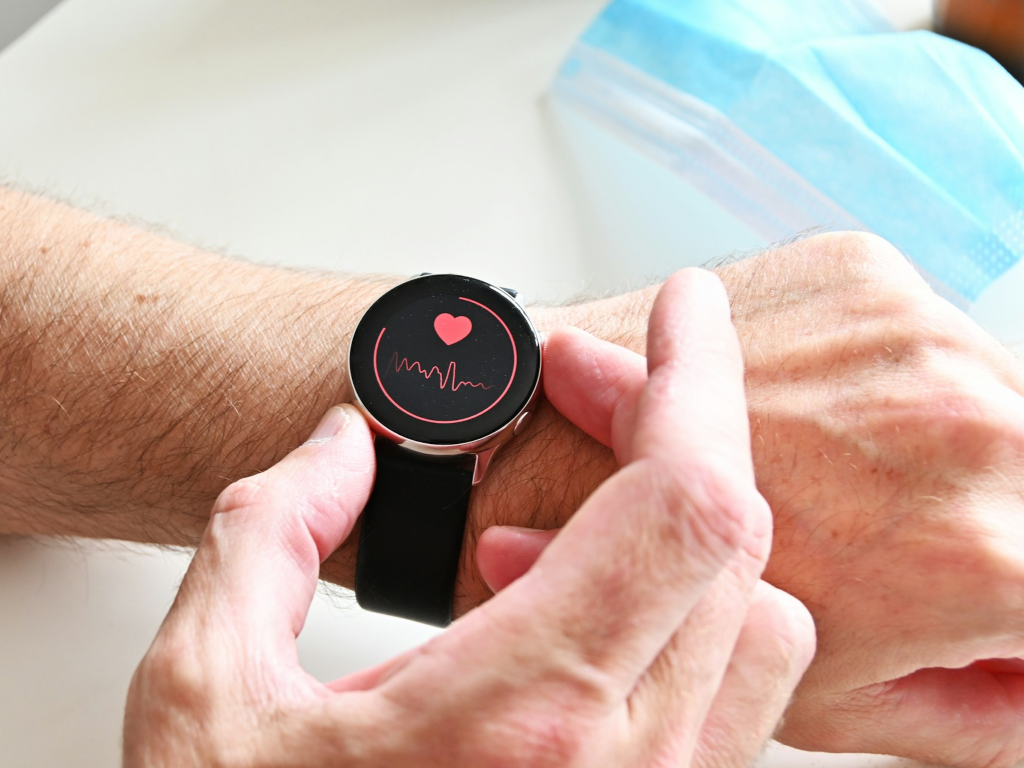
Wearable Devices Ltd. has announced the expansion of its Large Motor Unit Action Potential Model (LMM) into predictive health monitoring and cognitive state analytics. Originally designed for gesture-based control in extended reality (XR) systems, LMM is now being evaluated for use in early health condition detection, stress and fatigue monitoring, and AI-driven behavioral prediction. The technology interprets muscle activity signals from the wrist to provide real-time physiological insights. Unlike passive biosensors, LMM continuously adapts and learns, enabling more accurate and timely information for users and healthcare providers. This move comes amid growing institutional interest in wearable tech, with U.S. Secretary of Health and Human Services, Robert F. Kennedy Jr., recently supporting its role in improving health and cognitive well-being.
The company plans to open LMM to researchers, developers, and enterprise partners, allowing the creation of customized applications for healthcare, sports performance, and workplace productivity. The company stated that its goal is to make physiological data genuinely actionable. It added that businesses would be able to incorporate real-time monitoring into their current systems and use LMM’s AI capabilities to enhance models for preventive care and human-computer interaction. As commercialization advances, Wearable Devices aims to form strategic partnerships across healthcare sectors, enhancing its neural interface offerings that include Mudra Band for iOS and Mudra Link for Android.