
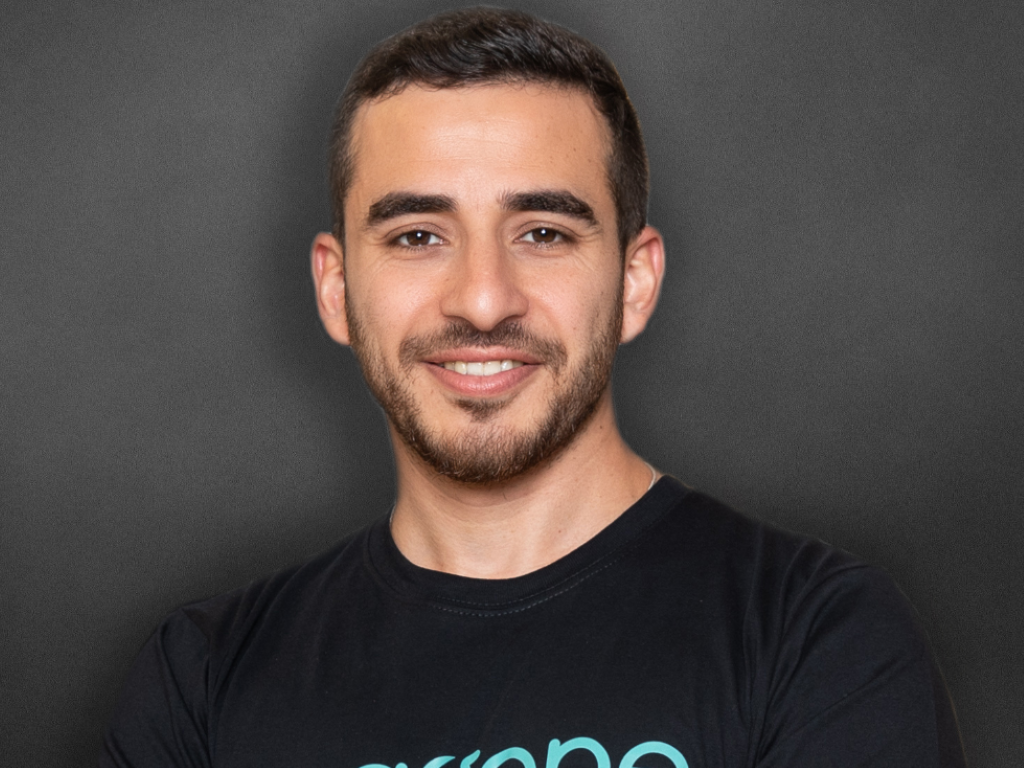
In 2015, Dean Bitan, an engineer and founder of Ping, Appload Software Solutions, and Chatway, learned that his mother had stage 4 ovarian cancer. While he first responded with a flood of emotions, as any son would, a conversation with his best friend prompted him to shift toward what he does best: approaching it like an entrepreneur.
“I learned cancer thoroughly; all the potential treatments, available clinical trials… I prepared a binder and went with it to the oncologist,” he said in a 2022 interview.
Bitan shares that his mother passed away 3 years later. “During that time, I learned a lot about the gaps in the cancer diagnosis process,” he reflects.
Rather than moving through the devastation quietly, he decided to build something that would make these experiences better for others. This is what led him to co-found Imagene, a company using AI to reinvent how cancer is diagnosed and treated.
Innovation is often thought to be the creation of something entirely new, but Bitan recognized another kind: one that combines what already exists in new ways to solve a problem more effectively. In a world where opposing perspectives are often labeled as right versus wrong, he saw the value in bridging them.
Imagene consists of experts across disciplines such as oncologists, engineers, biologists, data scientists, and pathologists. In his words, “Physicians and engineers are born on different planets…It’s very interesting to see those disciplines at the same table, and it’s created great things.”
Imagene’s technology delivers real-time insights from a standard biopsy image, diagnosing key cancer biomarkers in minutes without the need for lengthy lab processing. Trained on thousands of pathology samples, its AI detects genetic changes from digitized slides, eliminating the need for traditional lab tests. This shortens diagnosis from weeks to minutes and helps doctors act quickly when time matters most.
“Behind all of those numbers and graphs and statistics, we have to remember that they are real patients.” Bitan says. “For them, it is not just a matter of life or death. It is also about quality of life. Just imagine the pressure patients are dealing with while waiting a month for results. I think it is our duty to do whatever we can to provide them peace of mind, knowing that they are receiving the right care, at the right time, in the right place, while fighting the biggest fight of their life.”
Beyond its real-time speed and precision, Imagene’s technology doesn’t require expensive labs or equipment. “You don’t need an expensive lab to provide it,” Bitan explains. “Not even any hardware, by the way. It can essentially democratize clinical trials and cancer diagnosis for all patients, no matter where they live.”
While Imagene continues to grow, its vision remains steady: to close the gap between diagnosis and treatment, and to make precision oncology accessible to anyone, anywhere.