
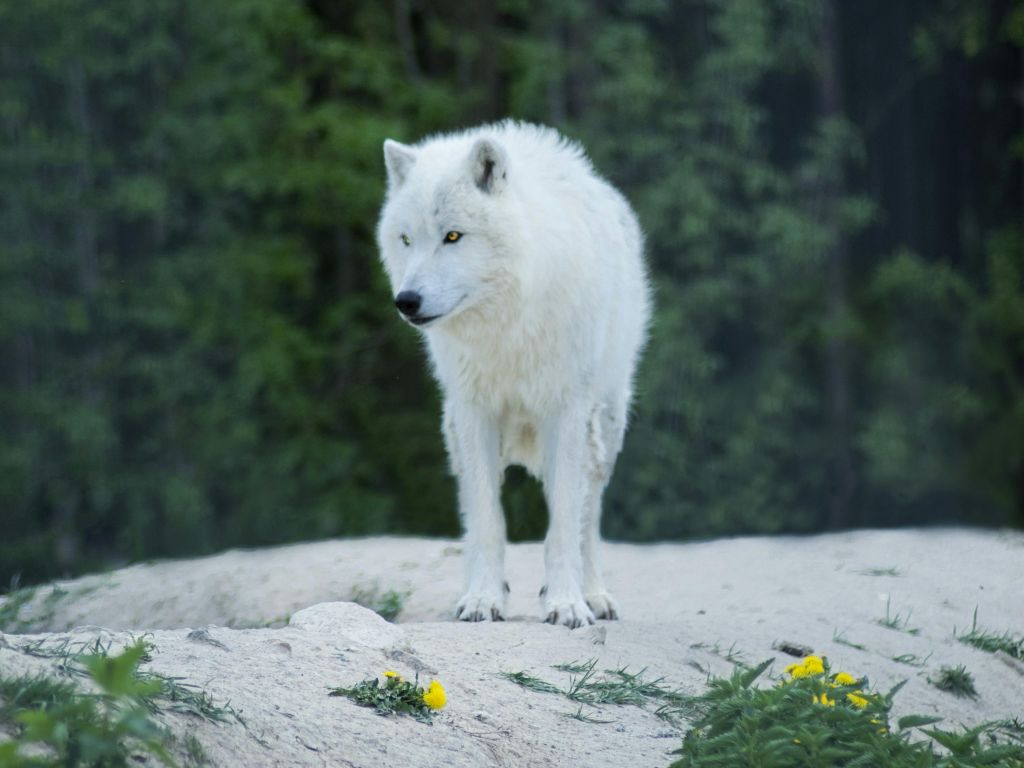
Colossal Biosciences, a de-extinction company, has announced a historic scientific achievement with the birth of three dire wolf pups, marking the first successful de-extinction of an animal species. The dire wolf, once native to North America and extinct for over 12,500 years, has been brought back through advanced genetic engineering. CEO of Colossal Ben Lamm stated, “Our team took DNA from a 13,000-year-old tooth and a 72,000-year-old skull and made healthy dire wolf puppies. It was once said, ‘Any sufficiently advanced technology is indistinguishable from magic.’ Today, our team gets to unveil some of the magic they are working on and its broader impact on conservation.” Colossal performed 20 precise genome edits on gray wolf cells, 15 of which restored ancient gene variants. The resulting embryos were transferred to surrogate mothers, leading to the successful birth of the dire wolf pups: two males, Romulus and Remus, and a female, Khaleesi.
Colossal has also successfully cloned two litters of red wolves, North America's most endangered wolf species, using a novel non-invasive cloning technique. The addition of these red wolves increases the number of genetic founder lines in the population by 25 percent, offering critical support to conservation efforts. This breakthrough highlights how Colossal’s methods may contribute to protecting endangered species and restoring lost biodiversity. The company’s work combines genetic research, cloning, and genome analysis to support species restoration and ecological preservation.