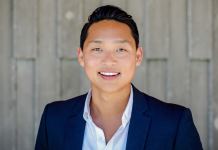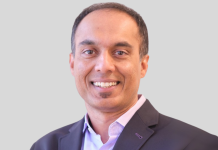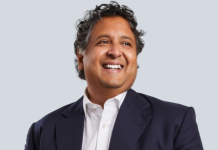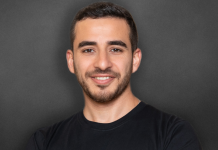

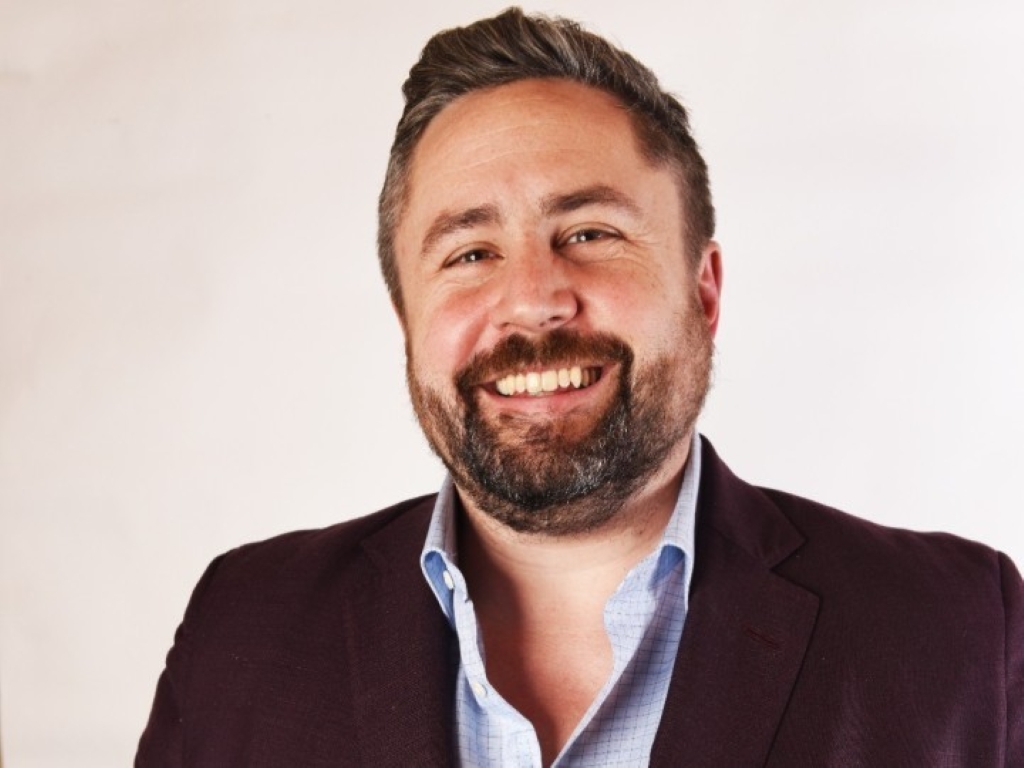
Brigham Hyde’s path—shaped by early tragedy, scientific curiosity, and a search for impact—made Atropos Health feel inevitable. Growing up in Stowe, Vermont, Hyde lost his mother to cancer at 14. The experience lit a long fuse, pushing him first toward the lab bench, then Wall Street, and ultimately into the world of health data. Along the way, he found himself repeatedly drawn to a recurring challenge: helping physicians make better decisions with the information already available to them.
At Atropos Health, Hyde is addressing that directly. The company spun out of Stanford, where co-founder Nigam Shah launched a pilot known as the Green Button initiative. The idea was simple: create a service where physicians could get data-driven answers to clinical questions, almost like asking a colleague down the hall. That concept now underpins GENEVA OS™, Atropos’ core platform for healthcare evidence generation. The platform uses a custom query language and automation pipeline to deliver research-grade answers in minutes, helping clinicians access real-world evidence when they need it most.
At the heart of Atropos’ mission is what Hyde and his team call the evidence gap—the reality that many medical decisions aren’t backed by high-quality data. Clinical trials remain essential, but they often exclude large swaths of the population. Atropos aims to fill that gap with real-world evidence that’s both timely and tailored.
Hyde is scaling Atropos with a focus on clarity and clinical utility. Each report is paired with a consult, helping physicians make high-stakes decisions with relevant, timely evidence. Hyde has described how clinicians often express surprise at finally receiving answers to long-standing questions—responses that, for him, validate Atropos’ core premise: evidence should be specific and readily available.
Hyde’s vision is long-term. As he put it, “evidence is truth,” and he sees Atropos as a way to bring that truth into everyday medical practice—faster, more personally, and with far less friction than the traditional research model allows.