
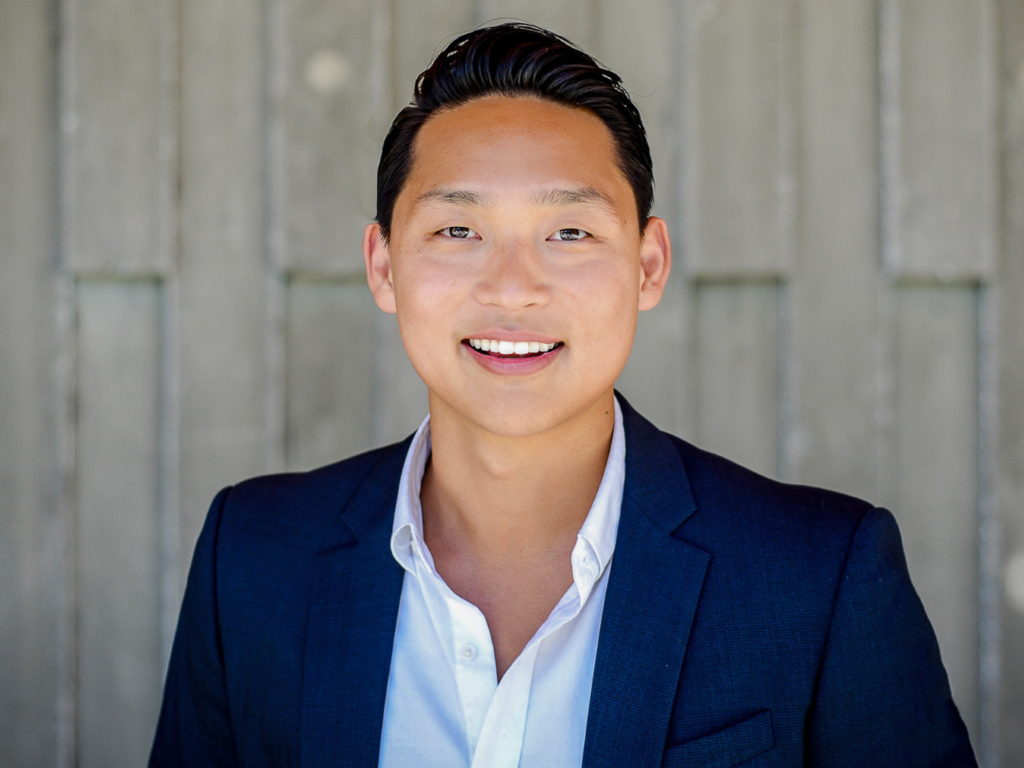
In the early days of DeepScribe, Matthew Ko and his co-founder Akilesh Bapu rode around San Francisco on a scooter, cold-visiting 25 clinics and asking front desk staff if they wanted to try their new AI-powered documentation tool. They left with zero sales and a parking ticket. Instead, they invested in an inbound-only strategy, launching a campaign just as COVID hit and screen time skyrocketed. By the end of 2020, they had 300 customers.
Ko, DeepScribe's CEO and Co-Founder, built the company from a deeply personal problem. While serving as care coordinator and translator for his mother during her breast cancer treatment, he was asked a question that changed everything: "Are you lying to me?" He initially laughed it off, but his mother pushed back: "You're telling me everything's going well, but why am I being treated like I'm already dead?" That disconnect—between the care a patient receives and the care they feel—stayed with him.
He turned to the only physician he knew: his co-founder's father. It was then that Ko learned about the hours doctors spend documenting care. Dictation tools were already in use, but they hadn’t solved the problem. Ko, who previously worked in data analytics at EY, recognized a deeper issue: the stories shared in exam rooms were being reduced to unstructured notes in EHRs, limiting their utility and stripping away their nuance.
That vision has shaped DeepScribe’s product roadmap. In oncology, its Ambient Operating System is surfacing new insights from voice data, like identifying patients for clinical trials or flagging biomarkers a physician might miss. "I believe the information that is in these conversations that these patients are sharing with their physicians can be used to actually improve the care that's being delivered," Ko said.
Ko also emphasizes that even the best technology needs to earn a clinician's trust. "You can have the best tech, but if you don't trust the people…it's very difficult to get somebody that's so busy and burnt out to love something new," he explained. DeepScribe's Customization Studio lets doctors tailor notes to their own language and preferences—a detail Ko credits for increasing adoption to 80% in some settings. "Physicians and clinicians really view themselves as artisans," he said. "They view the notes that they're writing as a reflection of their own competency."
For Ko, the mission is personal. For the physicians DeepScribe serves, it’s essential. And for healthcare, it may be transformative.