
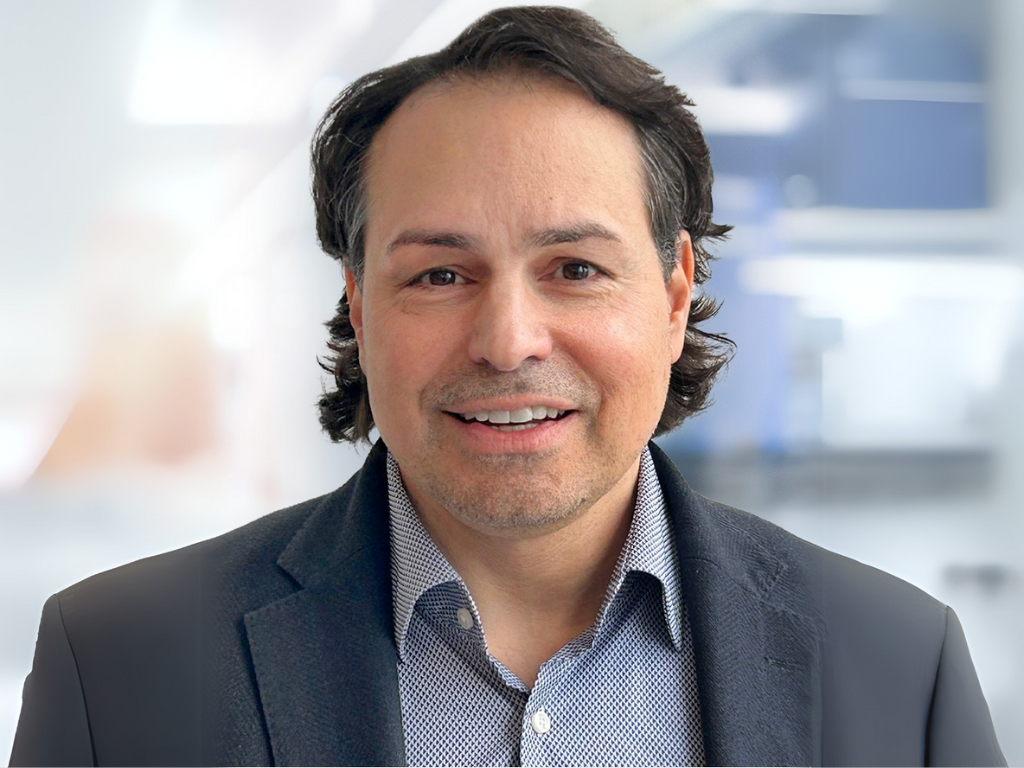
AJ Loiacono knows exactly why prescription drugs are so expensive and has a simple solution: keep church and state separate. His approach has nothing to do with politics or religion; rather, it is his philosophy regarding the role of the pharmacy benefit administrator within the U.S. healthcare system.
Loiacono is the CEO of Capital Rx, one of the country’s fastest-growing healthtech companies. Capital Rx has two main businesses: it is a full-service pharmacy benefits manager (PBM) and a pharmacy benefit administrator (PBA). Its PBM works with self-insured payers, while its PBA licenses its software and technology services. Since its founding in 2017, Capital Rx has grown to service over 3 million employer memberships in the U.S., including Fortune 500 companies and some of the largest municipalities, unions, health systems, and universities.
Both in its mission and in the message of its CEO, Capital Rx stands apart. It is structured as a Public Benefit “B” Corporation company, breaking with the traditional corporate model to align itself more closely with its stakeholders than its shareholders. Loiacono’s commitment to drug price transparency is rooted in the company’s stated mission to “change the way prescriptions are priced and patients are cared for to deliver enduring social change.”
Loiacono has spent 25 years immersed in the pharmaceutical supply chain. One of his early discoveries was the inadequacies of the standard model for pharmacy benefits. The lack of transparency and inherent conflicts of interest posed by vertical integration throughout the healthcare system make it difficult for patients, businesses, and healthcare workers to get the medicines they need at the prices they also need.
That’s where the separation of church and state applies. A move away from vertical integration toward single-purpose PBAs is Loiacono’s way to ensure the PBA remains unbiased and unconflicted. Getting rid of the verticals will eliminate the temptation of PBAs to award their own businesses contracts that may be filled more economically by others. According to Loiacono, “It’s very easy. The solution is in front of everyone. Very simply, if you want someone to administrate your benefit plan, that’s all they can do.”
It’s tough to crusade against what has become a lucrative business model. Change is hard, but that doesn’t dissuade Loiacono from pushing forward. He is encouraged by his encounters with other people in the industry who share a similar vision and are willing to fight for it. The end result, Loiacono believes, will be more rallying around his clear and simple solution, and a better quality of care for everyone who has to pay for prescription drugs.