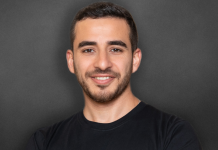


Artificial Intelligence is obviously upending the healthcare technology industry, but Sameer Ather, the Chief Executive Officer and Founder of XpertDox, says human intelligence is still needed in the space, given the limitations of general-purpose large language models (LLMs).
“Inaccuracies in coding can lead to significant revenue leakage,” Ather recently wrote for Forbes. “A study by AAPC Services found that ‘19% of evaluation and management (E/M) services are under-coded,’ resulting in an average annual revenue loss of $14,250 per primary care physician seeing 2,500 patients annually.”
The Phoenix-based physician, who attended the Baylor College of Medicine, started XpertDox 10 years ago to help revolutionize healthcare processes and patient care. The widespread implementation of AI has upended the industry since then, but Ather cautions other health tech executives not to get over their skis. Specifically, he believes there are four areas on which companies should focus when evaluating AI: the level of automation, accuracy and compliance, implementation costs, and the impact on the revenue cycle.
Keep those factors top of mind, he says, and one’s business can use AI—as XpertDox does—not just to survive, but thrive. “Responsible integration will be key to unlocking their potential while maintaining the high standards required in healthcare,” he wrote.
Having used these guidelines to implement AI, XpertDox has been racking up partnerships. In January, it teamed up with New York-based Nao Medical to bring its XpertCoding solution to Nao’s revenue cycle management operations. Post-implementation, Nao Medical saw a 15 percent jump in charge capture, a 60 percent improvement in quality code capture, and a 40 percent reduction in charge entry lag. In 2023 and 2024, XpertDox more than doubled its client base each year.
Two months earlier, the company teamed with Texas-based Lone Star Circle of Care to do the same. In February, it partnered with the Cucamonga Valley Medical Group along the same lines. That’s new deals in New York, Texas, and California in one year, among several others. When Ather says they’re experts, it’s easy to believe.