
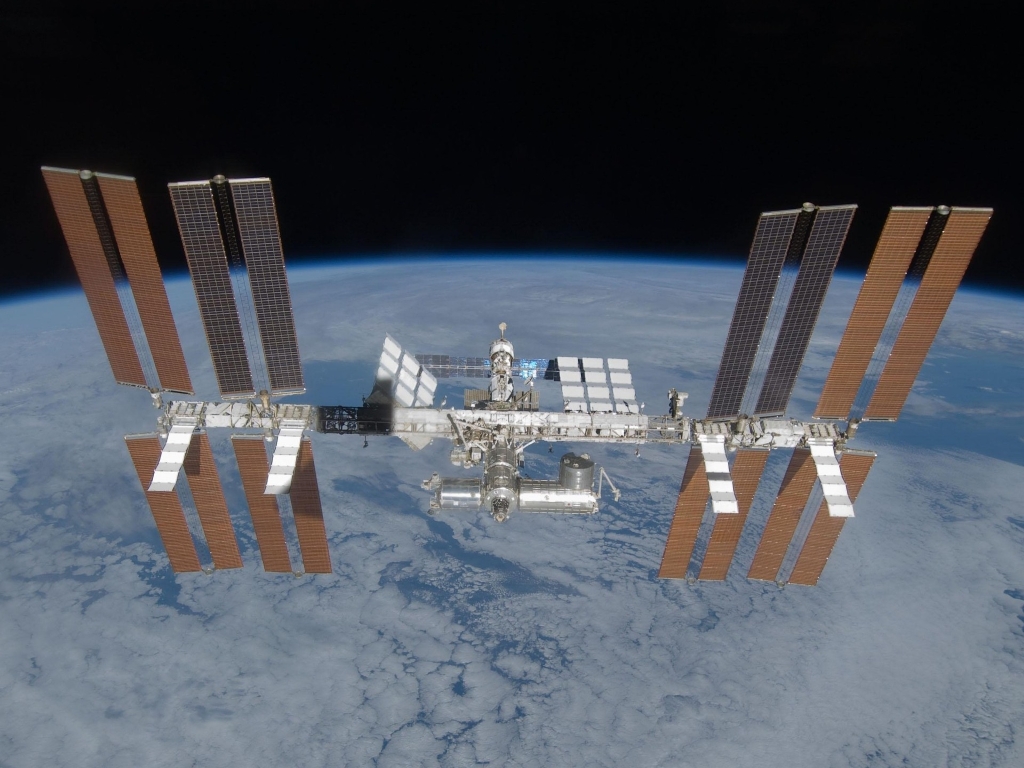
Auxilium Biotechnologies, a regenerative medicine and bioprinting company, has successfully printed implantable medical devices aboard the International Space Station (ISS) using its AMP-1 bioprinter. The system produced eight implants in just two hours, demonstrating the advantages of microgravity for bioprinting. Microgravity allows for precise material distribution and the creation of intricate structures that would be difficult to manufacture on Earth. The AMP-1 platform remains on the ISS, using lightweight cartridges preloaded with biological materials to print medical implants, which are later returned to Earth. The system operates efficiently, requiring less than a minute of astronaut time per print session, reducing labor costs and making space-based bioprinting a practical solution.
The initial focus of AMP-1 is the production of implants for peripheral nerve repair, with plans for preclinical testing and commercialization. In the long term, space-based bioprinting could support medical care for astronauts on missions to the Moon and Mars. Auxilium’s work builds on NASA’s contributions to medical technology and highlights the potential of space-based manufacturing to improve healthcare. The project received funding from NASA’s InSpace Production Applications program and was developed in collaboration with Space Tango and Invetech.