

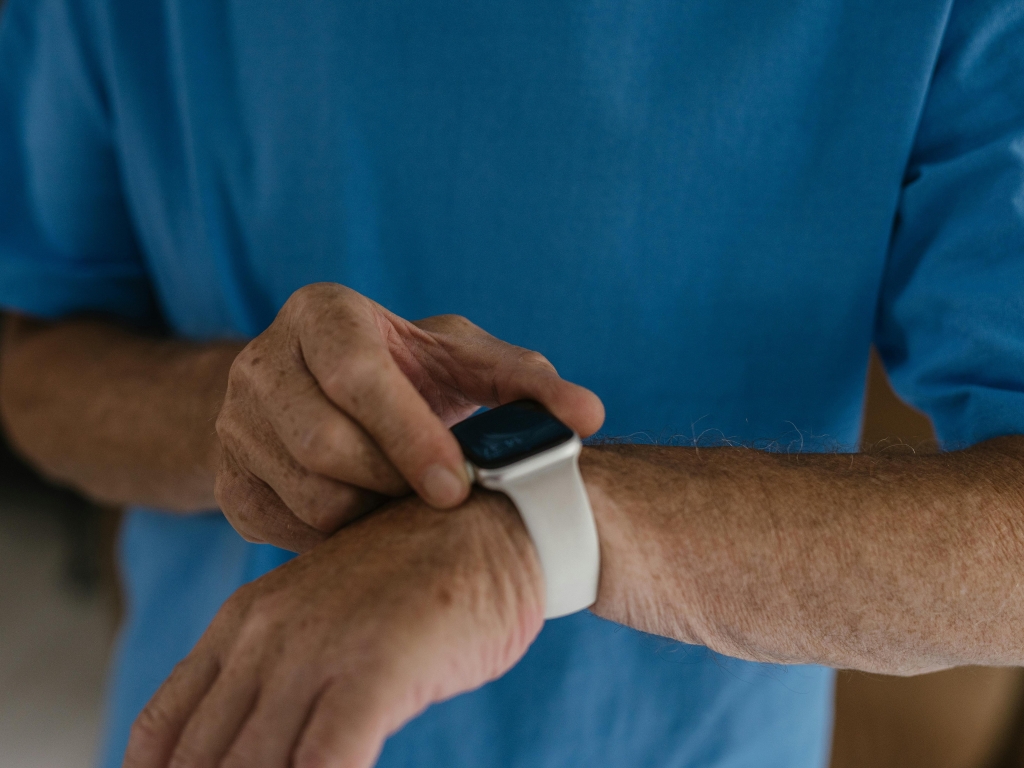
Over the next decade, wearable devices with advanced machine learning capabilities are expected to revolutionize senior healthcare by predicting life-threatening conditions such as heart attacks and strokes. Approximately 30% of Americans aged 55-65 use wearables, while 19-25% of those aged 65 and older have adopted the technology. This growing trend is driven by advancements in technology and increasing health awareness. Devices like the Apple Watch already provide features such as fall detection and electrocardiograms, highlighting their potential for preventive care. However, adoption among seniors remains hindered by concerns over usability, discomfort, and data accuracy. Researchers suggest that addressing these challenges and educating seniors and caregivers about the benefits could significantly boost adoption rates.
Wearables also hold promise for enhancing telehealth services and integrating with electronic health records to offer a more comprehensive picture of a patient’s health. Clinical studies have demonstrated that wearables can track vital signs with high accuracy, and machine learning models continue to improve the precision of health risk predictions. However, challenges such as false alarms and the lack of insurance coverage for non-emergency alerts must be resolved to maintain trust among users. As wearables gain popularity, their role in fostering preventive medicine and reducing emergency healthcare demands could reshape the future of senior healthcare.