

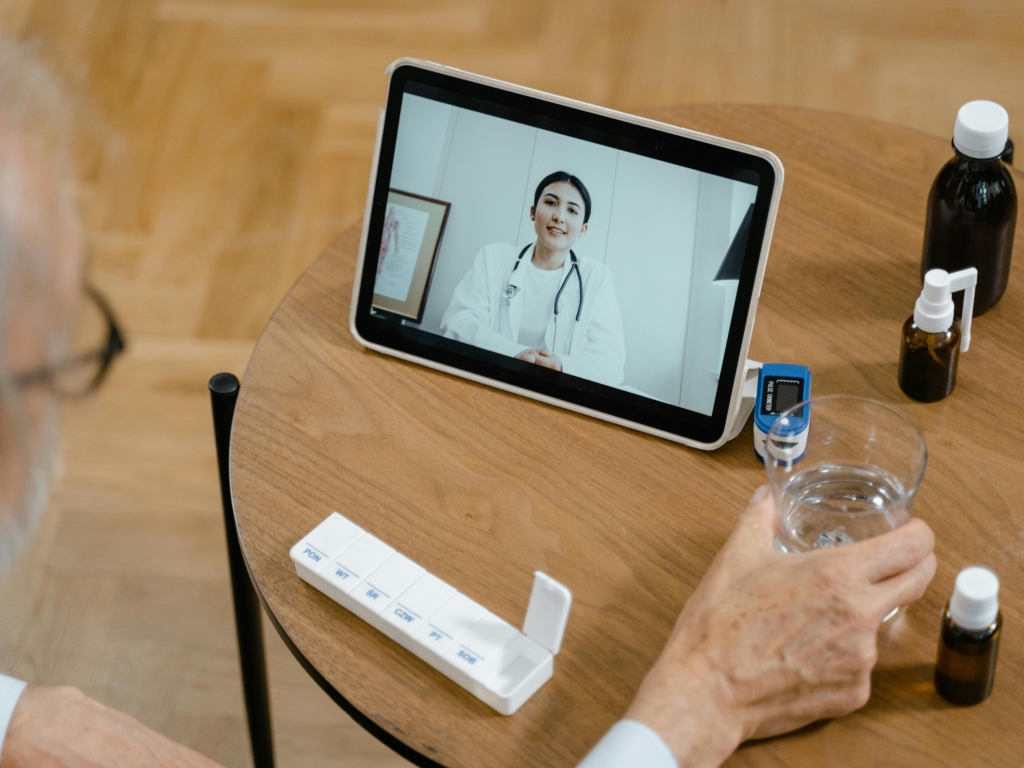
A recent study has found no connection between telehealth use and an increase in low-value care services in primary care settings. While concerns have emerged about telehealth potentially driving unnecessary tests or services, especially following the COVID-19 pandemic, the research suggests that virtual care does not contribute to low-value services. The study, which analyzed data from over 577,000 Medicare beneficiaries, explored practices that implemented high levels of telehealth in 2022. It focused on low-value services, such as unnecessary imaging or screenings, and found no significant increase in these services due to virtual care.
The study showed that some low-value services, such as cervical cancer screenings for women over 65 and thyroid testing, actually decreased in practices with high telehealth use. The decline in cervical cancer screenings was attributed to the nature of the procedure, which requires an in-person visit. The reasons for fewer thyroid tests are less clear, but researchers speculate that virtual care’s convenience may limit opportunities for lab tests during visits. Overall, the findings suggest that telehealth, when properly managed, does not result in an uptick in wasteful healthcare spending or unnecessary care.